Description
Heart failure assessment and management can be complicated by overlapping symptoms, comorbidities, and differences in how laboratory results are interpreted across care settings. Laboratory professionals and clinicians need a shared understanding of how NT-proBNP can inform patient evaluation from the emergency department through ongoing cardiology care. In this live panel discussion, experts in emergency medicine and cardiology will examine diagnostic and risk-assessment challenges, discuss the clinical interpretation of NT-proBNP in patients with factors such as obesity, chronic kidney disease, diabetes, and advancing age, and share practices for communicating findings across laboratory and clinical teams. Participants will gain practical perspectives on using NT-proBNP to support dyspnea evaluation, disposition and discharge decisions, longitudinal management, and coordinated transitions of care for patients with heart failure.
Target audience
This activity is designed for physicians, lab supervisors, lab directors (and/or assistant directors), lab managers (supervisory and/or non-supervisory), medical technologists, cardiologists, emergency department physicians, and other laboratory professionals overseeing/conducting within this topic.
Learning objectives
At the end of this session, participants will be able to:
- Analyze diagnostic and risk-assessment challenges across the heart failure journey, including the effects of obesity, chronic kidney disease, diabetes, and advancing age on patient evaluation.
- Evaluate how NT-proBNP results can inform clinical decision-making in emergency medicine and cardiology, including dyspnea evaluation, risk-based disposition, discharge planning, and longitudinal heart failure management.
- Identify communication practices for sharing NT-proBNP findings across laboratory, emergency medicine, and cardiology teams to support coordinated transitions of care for patients with heart failure.
Faculty
 Simon Mahler, MD, MS, FACEP
Professor and Vice Chair of Research, Department of Emergency Medicine
Wake Forest University School of Medicine
Winston Salem, North Carolina
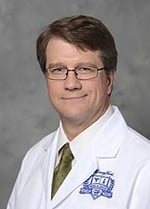 James McCord, MD, FACC
Associate Program Director Cardiology Fellowship Research
Henry Ford Hospital
Detroit, Michigan
Disclosures and statement of independence
The Association for Diagnostics & Laboratory Medicine is dedicated to ensuring balance, independence, objectivity, and scientific rigor in all educational activities. All participating planning committee members and faculty are required to disclose to the program audience any financial relationships related to the subject matter of this program. Disclosure information is reviewed in advance in order to manage and resolve any possible conflicts of interest. The intent of this disclosure is to provide participants with information on which they can make their own judgments.
The following faculty reported no financial relationships:
- Simon Mahler, MD, MS, FACEP
- Consulting Fees: Roche, QuidelOrtho, Abbott Laboratories, Siemens, Beckman Coulter, Pathfast, and Reprieve Cardiovascular
- Grant/Research Support: Abbott Laboratories, Roche Diagnostics, Quidel, Siemens, Pathfast, Beckman Coulter, Reprieve Cardiovascular, Brainbox, AstraZenca
- Committee/Advisory Board: Siemens, Abbott Laboratories
- Ownership: Impathiq
- James McCord, MD, FACC
- Consulting Fees: Roche, Beckman, Siemens, Polymedco
- Grant/Research Support: Polymedco, Beckman
Content validity
All recommendations involving clinical medicine are based on evidence accepted within the profession of medicine as adequate justification for their indications and contraindications in the care of patients; AND/OR all scientific research referred to or reported in support or justification of a patient care recommendation conforms to generally accepted standards of experimental design, data collection, and analysis.
Accreditation statement
This activity will be submitted for 1.0 ACCENT® continuing education credits.
Successful completion statement
Verification of Participation certificates are provided to registered participants based on completion of the activity, in its entirety, and the activity evaluation. For questions regarding continuing education, please email [email protected].